

Teeth Whitening & Stains in St Clair, MO | St Clair Family Dentistry


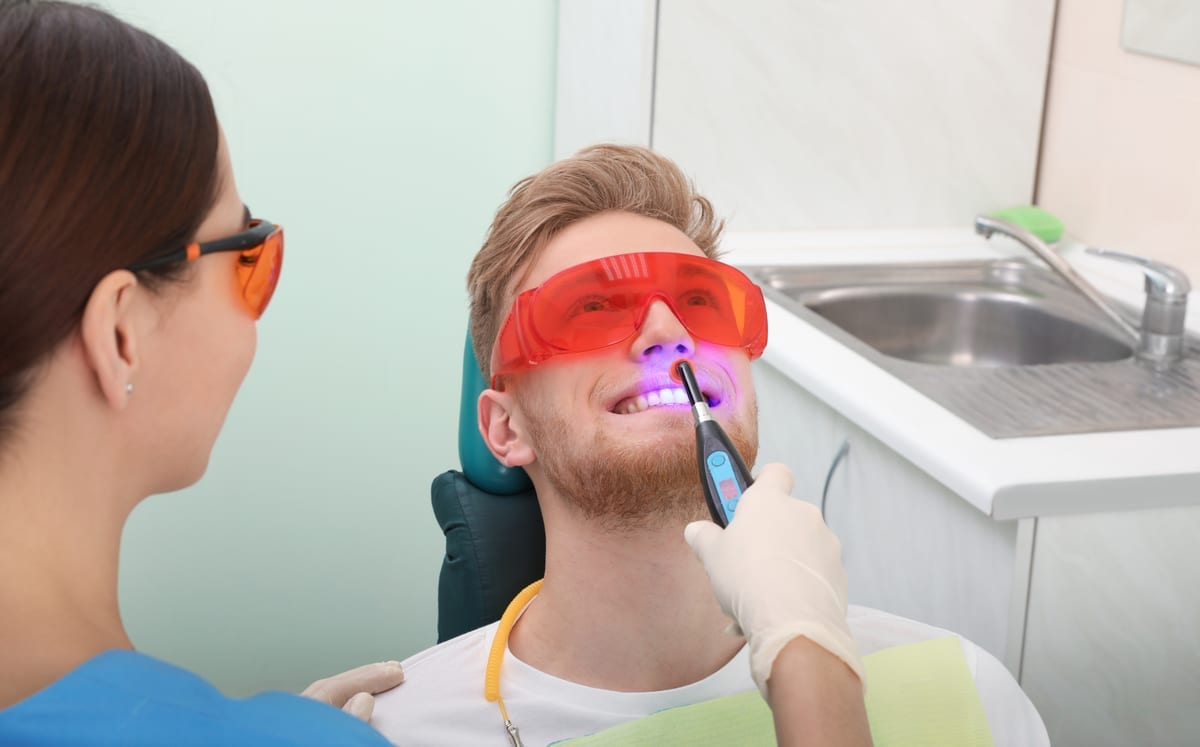
You have tried whitening strips, whitening toothpaste, and maybe even a store-bought tray. Yet your teeth still look dull or discolored. If you are wondering why your teeth won’t whiten — intrinsic vs extrinsic stains in St Clair is the answer. Not all stains respond to the same treatment. Understanding the difference is the first step toward actually getting the bright smile you want.
At St Clair Family Dentistry, Dr. Phillip Buckley helps patients identify exactly what type of staining they have. From there, the right treatment becomes much clearer. Let’s break down what is happening inside and outside your teeth.
What Are Extrinsic Stains — and Why They Respond to Whitening
Extrinsic stains live on the outer surface of your tooth enamel. They come from things you eat, drink, or smoke. Coffee, tea, red wine, berries, and tobacco are the most common culprits. These stains are surface-level, which is exactly why whitening treatments target them effectively.
Whitening products use hydrogen peroxide or carbamide peroxide as their active ingredient. These chemicals penetrate the enamel surface and break apart stain molecules. The result is a visibly lighter tooth color. Professional whitening done in a dental office works faster and more effectively than over-the-counter options.
Here are the most common sources of extrinsic staining:
- Coffee and tea consumed daily
- Red wine and dark juices
- Tobacco products, including cigarettes and chewing tobacco
- Certain sauces like soy sauce, tomato sauce, or curry
- Inadequate brushing and plaque buildup over time
Routine professional cleanings at St Clair Family Dentistry can remove surface buildup before it sets deeper. When extrinsic stains are mild, a thorough cleaning alone can make a noticeable difference.
What Are Intrinsic Stains — and Why Whitening Does Not Work on Them
Intrinsic stains are located inside the tooth structure itself. They affect the dentin, which is the layer beneath the enamel. Because they are embedded so deeply, bleaching agents cannot reach them effectively. This is why whitening treatments often disappoint patients who have intrinsic discoloration.
Intrinsic stains have several common causes. Trauma to a tooth can cause internal bleeding that darkens the dentin. Certain antibiotics, particularly tetracycline taken during childhood, leave behind a gray or brown banding pattern. Excessive fluoride exposure during tooth development can create white spots or brown patches called fluorosis.
Other causes of intrinsic staining include:
- Aging — dentin naturally darkens as enamel thins over time
- Tooth decay that has progressed below the surface
- Genetic conditions affecting enamel formation
- Root canal treatment that was not followed by proper restoration
- Dead or dying nerve tissue inside the tooth
If your staining falls into this category, do not feel discouraged. There are highly effective cosmetic and restorative options that can transform your smile regardless of whitening limitations.
Intrinsic Stains in St Clair: What Treatment Options Actually Work
When intrinsic staining is the problem, cosmetic and restorative dentistry steps in. The goal shifts from bleaching the existing tooth color to covering or replacing the discolored structure. Dr. Phillip Buckley evaluates each case individually to recommend the most conservative and effective approach.
Dental veneers are a popular cosmetic solution. They are thin porcelain shells bonded to the front surface of teeth. Veneers cover discoloration completely and create a uniform, natural-looking smile. They work especially well for tetracycline staining or fluorosis that affects multiple front teeth.
Dental Crowns are another powerful option, particularly when the tooth has structural damage alongside the staining. A crown caps the entire visible tooth. It restores both the appearance and function in one treatment. Crowns are often the right choice when a tooth has been weakened by decay or trauma.
For cases involving a severely damaged or non-restorable discolored tooth, Dental Implants may be the most durable long-term solution. An implant replaces the entire tooth, from root to crown. The result is a natural-looking, permanent tooth that never stains intrinsically because it is not real tooth structure.
How to Tell Which Type of Stain You Have
It is not always easy to self-diagnose the type of staining you are dealing with. Some staining looks purely cosmetic but actually has a deeper cause. A professional evaluation is the most reliable way to know what you are working with. Dr. Buckley and the team at St Clair Family Dentistry can assess your staining at your next visit.
There are some general clues to look for on your own. Extrinsic stains often appear as a yellow or brown tinge across all teeth. They tend to look worse in people who drink a lot of coffee or have poor brushing habits. They also tend to improve noticeably after a professional cleaning.
Intrinsic stains often look different. They may appear as gray, dark brown, or even bluish tones. They sometimes affect only one tooth, especially if trauma or a root canal is involved. Whitening trays or strips used over weeks may show little to no improvement with intrinsic discoloration.
Key signs your staining may be intrinsic:
- Whitening treatments have had no visible effect
- The discoloration is isolated to one or two teeth
- You have a history of tetracycline use in childhood
- The tooth was injured or required a root canal in the past
- The color has a gray or bluish undertone rather than yellow
Professional Whitening vs. Store-Bought: Understanding the Difference
Even for extrinsic stains, not all whitening treatments are equal. Store-bought strips contain lower concentrations of peroxide. They can take weeks to show results, and those results are often modest. Professional whitening uses a higher-strength formula applied in a controlled setting.
At St Clair Family Dentistry, professional whitening is customized to each patient. Custom-fitted trays or in-office treatments deliver the bleaching agent exactly where it is needed. Sensitivity is carefully managed throughout the process. Patients typically see significant results in one to two sessions.
It is also worth noting that whitening — even professional whitening — does not work on crowns, veneers, or bonding. If you have existing restorations on your front teeth, whitening the surrounding natural teeth may create a mismatch. Your dentist will account for this during your consultation and recommend the best sequence of treatments.
Conclusion: The Right Treatment Starts with the Right Diagnosis
Understanding why your teeth won’t whiten comes down to one key distinction — intrinsic vs extrinsic stains. Extrinsic stains respond well to professional whitening treatments. Intrinsic stains require cosmetic or restorative solutions like veneers, crowns, or implants. Neither type has to keep you from having the smile you want.
Dr. Phillip Buckley at St Clair Family Dentistry is here to help St Clair patients find the right solution for their specific situation. Whether you need a simple whitening treatment or a more advanced cosmetic approach, the path forward starts with a conversation. Book Now to schedule your appointment with our team.
Frequently Asked Questions
Why did my teeth not respond to whitening strips at all?
If whitening strips showed no effect, you likely have intrinsic staining rather than surface discoloration. Whitening products only work on extrinsic stains found on the outer enamel layer. Intrinsic stains sit inside the dentin and require cosmetic treatments like veneers or crowns instead. A dental evaluation can confirm which type of staining you have.
Can intrinsic stains ever be treated with whitening products?
Standard over-the-counter and professional whitening products are not designed to treat intrinsic stains. In some cases, a dentist may attempt internal bleaching on a single discolored tooth after a root canal, but this is a specialized in-office procedure. For most intrinsic staining, cosmetic solutions like porcelain veneers or dental crowns are more predictable and effective.
How long does professional teeth whitening last for extrinsic stains?
Professional whitening results typically last between one and three years depending on your diet and habits. Regular touch-up treatments can extend those results. Avoiding heavy staining foods and drinks — like coffee, tea, and red wine — helps maintain a whiter smile longer. Routine dental cleanings also remove surface buildup before it re-stains your enamel.
Is it safe to whiten teeth that have existing dental crowns or veneers?
Whitening products do not change the color of crowns, veneers, or tooth-colored bonding. Applying whitening treatment to teeth with existing restorations may cause your natural teeth to lighten while the restorations stay the same shade. This can create a noticeable color mismatch. Your dentist will evaluate your restorations before recommending any whitening treatment.
At what age can someone start professional teeth whitening?
Most dentists recommend waiting until a patient is at least 16 years old before beginning professional whitening treatments. Before this age, tooth enamel and pulp tissue are still developing, making teeth more sensitive to bleaching agents. For younger patients with discoloration concerns, a pediatric dental evaluation is the best place to start.