
Teeth Cleaning Aftercare in St Clair, MO | St Clair Family Dentistry


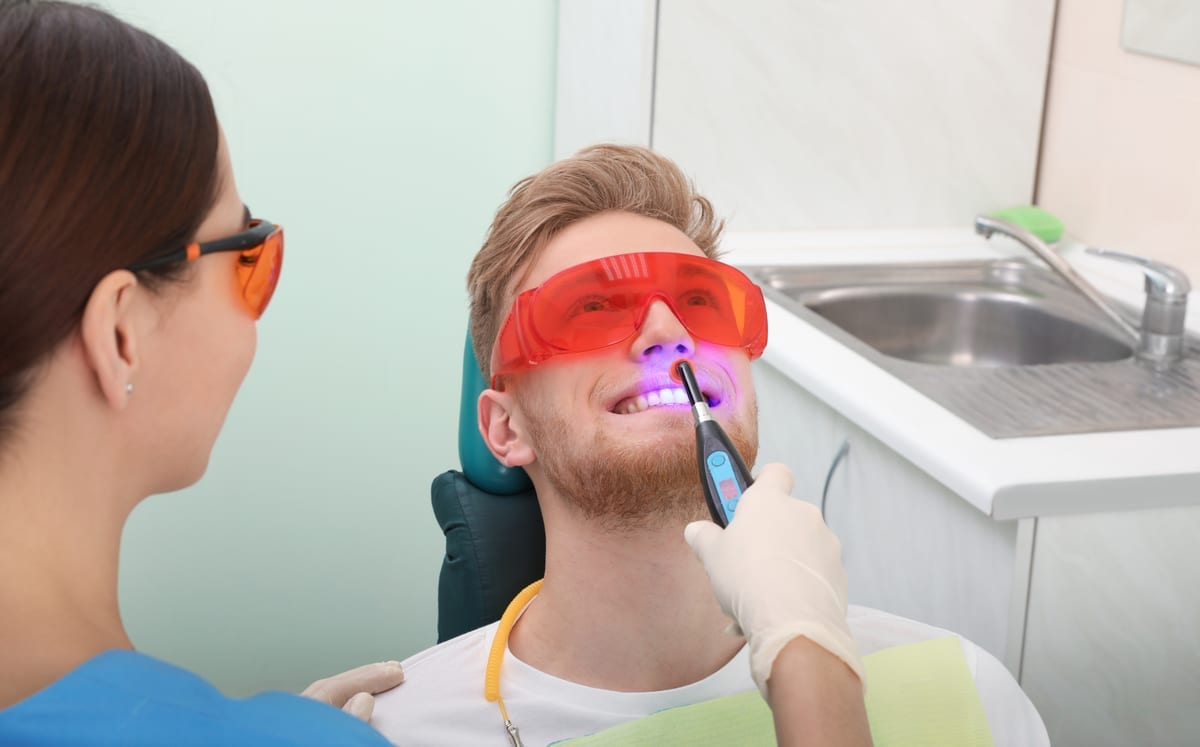
Most people focus on getting to their dental cleaning appointment. But what you do after your cleaning matters more than you think in St Clair. The hours following a professional cleaning are a critical window. Your teeth are freshly polished, your gums are refreshed, and your mouth is in its best possible condition — and your next moves can either protect or undermine that progress.
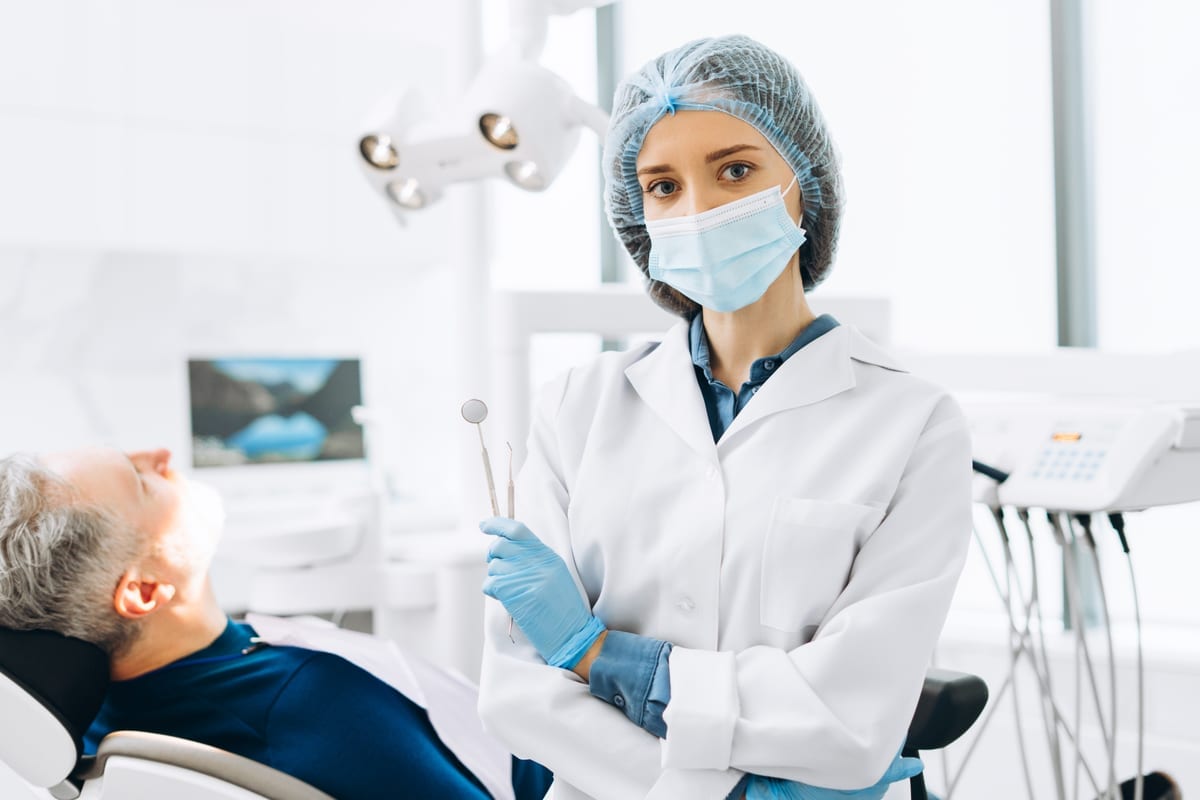
At St Clair Family Dentistry, Dr. Phillip Buckley and our team want every patient to leave with more than just clean teeth. We want you to leave with the knowledge to keep them that way. This guide walks you through exactly what to do — and what to avoid — after your next professional cleaning.
Why the First Few Hours After a Cleaning Are So Important
During a professional cleaning, our hygienists remove built-up plaque, tartar, and surface stains from your teeth. This process also removes the biofilm that forms naturally on your enamel. For a short time after your appointment, your teeth are more vulnerable to staining and bacterial reattachment.
Think of it like freshly cleaned fabric. Stains set faster when the surface is open and clean. The same concept applies to your tooth enamel right after a professional polish. Being mindful during this window makes a real difference in how long your results last.
Your gums may also feel slightly sensitive after a deeper cleaning. That sensitivity is completely normal. It simply means your tissues are responding to the removal of buildup that had been irritating them.
Foods and Drinks to Avoid Right After Your St Clair Cleaning
One of the most important aftercare steps is watching what you eat and drink. Certain foods and beverages are much more likely to stain your freshly cleaned teeth. Avoiding them for at least 24 hours gives your enamel time to stabilize.
Avoid these items for the first 24 hours:
- Coffee and tea
- Red wine and dark sodas
- Tomato-based sauces and curries
- Berries and dark-colored juices
- Soy sauce and balsamic vinegar
- Tobacco products of any kind
If you had a cleaning that involved fluoride treatment, you should also avoid eating or drinking for at least 30 minutes. This allows the fluoride to fully absorb into your enamel. Dr. Buckley recommends rinsing with water instead if you feel the urge to drink something right away.
Choosing lighter, tooth-friendly foods is a smart move on cleaning day. Think grilled chicken, rice, bananas, or yogurt. These options are gentle and unlikely to cause staining or irritation.
Oral Hygiene Steps to Follow After Your Appointment
After your professional cleaning, your at-home routine becomes even more important. The goal is to maintain what your hygienist just achieved. Skipping brushing or flossing — even once — can allow bacteria to reestablish quickly.
Here is what we recommend for the rest of your cleaning day:
- Brush gently with a soft-bristled toothbrush
- Use a fluoride toothpaste to strengthen enamel
- Floss carefully, especially around sensitive gum tissue
- Rinse with an alcohol-free mouthwash if recommended by Dr. Buckley
- Drink plenty of water to keep your mouth hydrated and clean
Avoid brushing too hard in the hours after a cleaning. Your gums may be slightly tender, and aggressive brushing can cause irritation. Gentle, circular motions are always best. If you experience any soreness that lasts beyond 48 hours, reach out to our office in St Clair.
What to Do If You Had a Deep Cleaning or Scaling
A standard preventive cleaning and a deep cleaning — also called scaling and root planing — require slightly different aftercare. Deep cleanings address buildup below the gumline. Because of this, your gums may feel more sensitive than usual for several days.
After a deep cleaning, cold foods and beverages may cause temporary discomfort. Over-the-counter pain relievers can help manage any soreness. Dr. Buckley may also prescribe a special antibacterial rinse to support healing in the treated areas.
Eating soft foods for the first day or two is often a good idea. Soups, mashed potatoes, eggs, and smoothies are great options. Avoid anything crunchy, hard, or very hot until the sensitivity has passed. Your comfort matters, and taking these steps protects the healing process.
Building Habits That Make Your Next Cleaning Easier
Here is something many patients do not realize: the state of your mouth at your next cleaning depends heavily on what you do between appointments. Good aftercare habits today reduce buildup tomorrow. That means less time in the chair and better results every visit.
Patients who brush twice daily and floss consistently tend to have much smoother cleanings. There is simply less tartar for our hygienists to remove. That translates to a more comfortable appointment and a healthier mouth overall.
Regular cleanings also give Dr. Buckley the chance to catch small concerns before they grow. Cavities, early gum disease, and even worn enamel are all much easier to treat when identified early. Staying on schedule with your six-month visits is one of the smartest things you can do for your long-term dental health.
For patients who have experienced significant tooth loss or damage, maintaining a clean and healthy mouth is also essential before pursuing restorative options. Whether you are considering Dental Implants or protecting existing restorations like Dental Crowns, a clean foundation makes every outcome better.
Conclusion: Small Steps After Your Cleaning Add Up to Big Results
What you do after your cleaning matters more than you think in St Clair — and now you have the tools to make the most of every appointment. Avoid staining foods, brush gently, floss consistently, and stay hydrated. These simple steps protect the work your hygienist put in and help your smile stay healthier between visits.
Dr. Phillip Buckley and the team at St Clair Family Dentistry are always here to answer your questions about aftercare and oral health. We love helping our St Clair community maintain confident, healthy smiles year-round. Book Now to schedule your appointment with our team.
Frequently Asked Questions
Can I eat right after a professional teeth cleaning?
It depends on whether fluoride treatment was applied. If fluoride was used, wait at least 30 minutes before eating or drinking. In general, avoid dark-colored or acidic foods for the first 24 hours to protect your freshly cleaned enamel from staining.
How long will my teeth feel sensitive after a cleaning?
Mild sensitivity is normal and typically fades within 24 to 48 hours. If you had a deep cleaning, sensitivity may last a few days longer. Drinking cool or lukewarm water and eating soft foods can help. Contact St Clair Family Dentistry if sensitivity persists beyond a week.
Is it okay to whiten my teeth right after a cleaning?
Many patients ask about whitening after their cleaning because teeth feel especially clean. While the timing can be effective, it is best to ask Dr. Buckley first. Some patients experience increased sensitivity after cleaning, and whitening immediately could intensify that discomfort.
How often should I schedule professional cleanings?
Most patients benefit from a professional cleaning every six months. However, those with a history of gum disease or heavy tartar buildup may need more frequent visits. Dr. Buckley will recommend a cleaning schedule based on your specific oral health needs during your exam.
What can I do at home to extend the results of my cleaning?
Brush twice daily with a soft-bristled toothbrush and fluoride toothpaste. Floss at least once each day. Rinse with water after meals and limit sugary or acidic foods. These habits significantly slow tartar buildup and help your mouth stay cleaner between professional visits.