
The “Oops” Factor: How to Fix a Chipped Veneer Fast


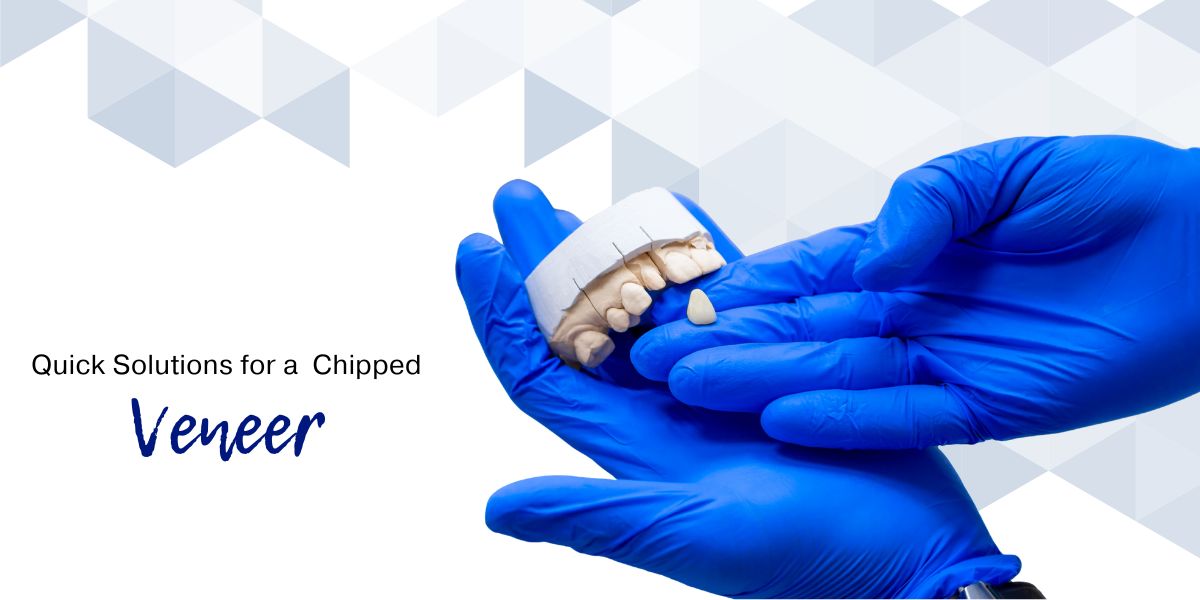
Have you ever accidentally chipped your veneer while enjoying a crunchy snack or a hard bite? If so, you’re not alone! Veneers, though durable, aren’t indestructible, and even the most careful among us can experience a mishap. Whether you’re chewing on a piece of hard candy or accidentally bumping your teeth on something solid, chipping a veneer can be alarming. But don’t panic! Fixing a chipped veneer is usually simpler than you might think.
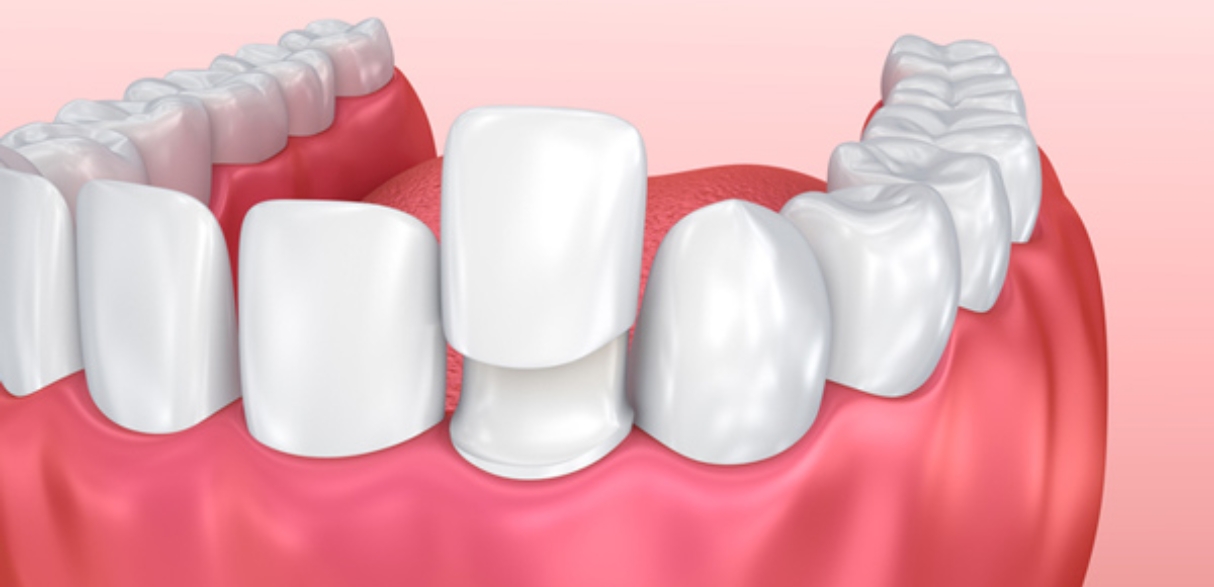
Veneers are thin, custom-made shells designed to cover the front surface of your teeth, enhancing their appearance. They’re made of either porcelain or composite resin, both of which are strong but can still be vulnerable to chipping, especially when subjected to excessive pressure or trauma.
In this blog, we’ll walk you through the steps you can take to fix a chipped veneer fast, from immediate at-home solutions to professional care from your trusted dentist.
What Causes a Veneer to Chip?
Veneer Composition
Veneers are typically made from two primary materials: porcelain and composite resin. Porcelain is the most popular choice for its natural appearance and durability, while composite resin is more affordable and can be easily shaped. Both materials are resilient, but they can chip under the right (or wrong) circumstances.
The reason veneers are prone to chipping despite their strength is their thinness. Porcelain veneers, for example, are about as thick as a contact lens, and while they are strong, they are more vulnerable to impacts than natural teeth. Similarly, composite veneers are more flexible but can wear down or chip over time, especially if they aren’t properly maintained.
Common Scenarios That Lead to Chipping
Several common situations can cause a veneer to chip, including:
- Chewing Hard Foods: Foods like nuts, ice, or hard candies can put too much pressure on your veneers, leading to chips or cracks.
- Accidents or Trauma: An unexpected fall or blow to the face can cause a veneer to chip. Even a minor accident like biting down too hard on something can lead to damage.
- Teeth Grinding: Known as bruxism, this condition causes the grinding or clenching of teeth, often during sleep, and can place excessive force on veneers, leading to cracks or chips.
- Weak Underlying Teeth: If the tooth beneath the veneer is weakened by decay or previous damage, it might not provide the necessary support to the veneer, leading to chipping.
While these situations are common, the good news is that a chipped veneer can typically be repaired with professional help, and sometimes even at home with a temporary solution.
Immediate Steps to Take After Chipping a Veneer
Stay Calm
First and foremost, don’t panic! Chipping a veneer is usually not as serious as it might seem. While it can be frustrating to have an unexpected cosmetic issue, veneers in St. Clair are designed to be replaced or repaired. Most importantly, keep calm so you can think clearly and follow the right steps.
Inspect the Damage
Once you’ve calmed down, take a close look at the damaged area. If the chip is small and doesn’t affect the overall appearance of your smile, it may be manageable. However, if the chip is large or if the veneer is completely detached, you’ll want to seek professional care right away.
Protect Your Teeth
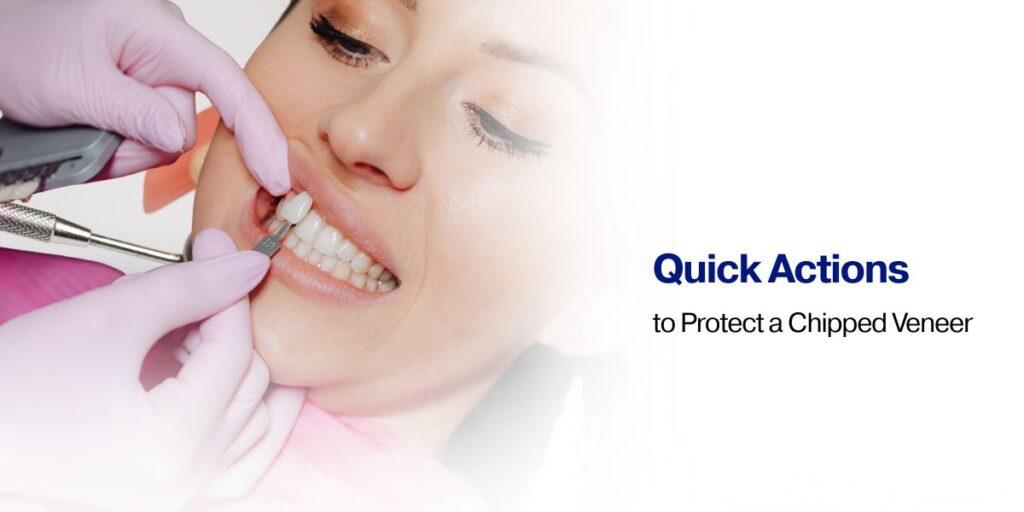
If there are sharp edges or jagged parts of the chipped veneer, you should protect your mouth and gums from further injury. Consider using dental wax or temporary dental cement (which can be found at most drugstores) to cover the rough edges. This will prevent irritation to your gums or cheeks until you can visit your dentist. Avoid chewing on that side of your mouth to prevent additional damage.
While these temporary fixes can help in the short term, it’s essential to visit St. Clair Family Dentistry as soon as possible to have the veneer repaired professionally.
Professional Fix: How Dentists Repair Chipped Veneers
Rebonding the Veneer
If your veneer is chipped but still securely attached to the tooth, there’s a good chance your dentist can simply rebond it. Rebonding is a fast and effective solution when the damage is minor. During the process, the dentist will carefully clean the area and remove any old bonding material, preparing the surface for a fresh adhesive.
A strong dental bonding agent is then applied to reattach the veneer to the tooth. This procedure is typically quick, taking about 30 minutes to an hour. Rebonding is an excellent option for small chips or cracks, restoring both the appearance and function of your veneer without the need for replacement.
Reshaping or Replacing
In some cases, the damage to your veneer may be more significant. If a large portion of the veneer has chipped off or if the veneer is cracked beyond repair, reshaping or even replacing it may be necessary.
For reshaping, the dentist will carefully contour the veneer to restore its appearance, blending it seamlessly with the rest of your smile. This option is viable if the chip is minor, but the structural integrity of the veneer has been compromised.
However, if the veneer is severely damaged, replacing it is often the best course of action. During this procedure, the dentist will remove the damaged veneer and take impressions of your tooth to create a custom replacement.
This process ensures that the new veneer fits perfectly and matches the color and texture of your natural teeth. While this solution can take longer than rebonding, it is essential for restoring your smile to its original state.
Timeframe and Process
The timeframe for fixing a chipped veneer largely depends on the extent of the damage. For minor chips, rebonding can usually be completed in just one visit, and the process typically takes between 30 minutes and an hour. However, if reshaping or replacing the veneer is required, the process can take longer.
Replacing a veneer usually involves multiple visits, with the first appointment dedicated to removing the old veneer, taking impressions, and placing a temporary one. The second appointment typically takes place a couple of weeks later to fit the custom-made replacement veneer.
At St. Clair Family Dentistry, we are committed to restoring your smile as quickly and efficiently as possible. Whether it’s a minor repair or a complete replacement, we’ll ensure you feel comfortable and confident throughout the process.
Preventing Future Chips: Tips for Veneer Care
Avoid Hard Foods
One of the best ways to prevent chips is by avoiding foods that could potentially damage your veneers. Hard snacks like nuts, ice, and hard candy should be eaten with caution, or better yet, avoided entirely. If you can’t resist a hard treat, try breaking it into smaller pieces first to reduce the pressure on your veneers.
Wear a Mouthguard
For those who grind their teeth at night or engage in high-impact activities like sports, a mouthguard is an essential piece of protective gear. Mouthguards help absorb the pressure and prevent direct contact with hard surfaces, reducing the risk of damaging veneers. St. Clair Family Dentistry can provide you with a custom mouthguard that fits perfectly to your teeth for maximum comfort and protection.
Regular Dental Checkups
Even if you don’t think your veneers are in danger, regular dental checkups are crucial. Your dentist will be able to spot any early signs of wear or potential damage before they become bigger issues. Additionally, your dentist can help keep your veneers in St. Clair clean and looking their best, so be sure to schedule routine visits at St. Clair Family Dentistry.
A chipped veneer might feel like a big deal at first, but the good news is that it can be easily fixed with professional help. Whether it’s a minor chip that can be rebonded or a larger issue that requires replacement, St. Clair Family Dentistry is here to provide fast, effective solutions to restore your smile.
Don’t let a small mishap keep you from enjoying your perfect smile. Contact us today to schedule an appointment and get your veneer looking like new again!
What People Want to Know?
What should I do immediately after chipping my veneer?
Stay calm, inspect the damage, and use dental wax or temporary cement to protect sharp edges until you can visit your dentist.
Can I eat after a veneer is repaired?
You should avoid hard foods until the repair is complete. Once your veneer is fixed, follow your dentist’s instructions to ensure it stays intact.
How long do veneers last before they need repair?
Veneers can last 10-15 years with proper care. However, they may need repair or replacement if damaged by accidents, hard foods, or teeth grinding.
Can a chipped veneer affect my smile?
Yes, a chipped veneer can impact the appearance of your smile. It’s important to fix it promptly to maintain both aesthetics and tooth protection.
Is fixing a chipped veneer painful?
The process of repairing a chipped veneer is generally painless. If any numbing is required, it will be administered during the procedure.