

Gum Disease Prevention in St Clair, MO | St Clair Family Dentistry


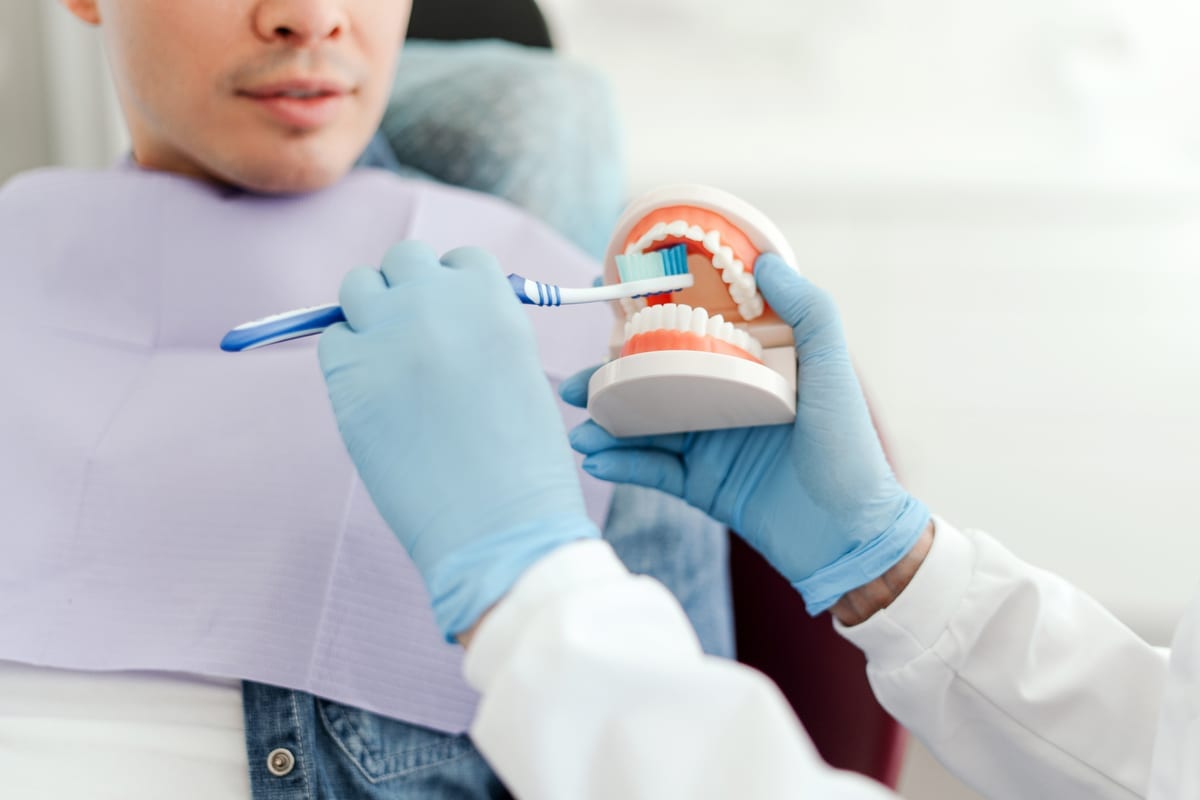
Most people in St Clair, MO brush their teeth every day. Yet gum disease still affects nearly half of American adults. The reason lies somewhere your toothbrush simply cannot reach. Understanding what lurks below your gumline — and how professional care interrupts that process — is the first step to stopping gum disease before it starts.
The Hidden World Below Your Gumline
Your gumline is not just where your teeth meet soft tissue. It is the entry point to a protected pocket where bacteria thrive. These pockets sit just a few millimeters deep around every single tooth in your mouth.
Bacteria naturally live in your mouth. Most are harmless in small numbers. But when plaque builds up along and below the gumline, harmful bacteria multiply rapidly. They release toxins that irritate and inflame the surrounding gum tissue.
This inflammation is your immune system fighting back. Unfortunately, that immune response also begins breaking down the tissue and bone that hold your teeth in place. The damage happens silently and painlessly at first. Most patients in St Clair do not notice until the disease has already progressed.
How Gum Disease Actually Develops in St Clair Patients
Gum disease follows a predictable path. Recognizing each stage helps you understand why early action matters so much.
- Plaque formation: Bacteria combine with food particles and saliva to form a sticky film called plaque.
- Tartar buildup: Plaque that is not removed within 24–48 hours hardens into tartar, also called calculus.
- Gingivitis: Tartar below the gumline triggers inflammation, causing red, swollen, or bleeding gums.
- Periodontitis: Untreated gingivitis advances into periodontitis, where pockets deepen and bone loss begins.
- Advanced periodontitis: Severe bone and tissue destruction can lead to loose teeth or tooth loss.
The critical window for intervention is early. At the gingivitis stage, the damage is still fully reversible. Once periodontitis sets in, management becomes more complex and ongoing.
Patients across St Clair often ask why their gums bleed when they brush. That bleeding is almost always a warning sign. It signals that bacteria below the gumline have already triggered an inflammatory response.
Why Brushing and Flossing Are Not Enough
Daily brushing and flossing are absolutely essential. They remove plaque from tooth surfaces and just barely below the gumline. But they cannot reach the full depth of periodontal pockets.
As pockets deepen due to inflammation, bacteria colonize even further beneath the gumline. A standard toothbrush bristle simply cannot access those areas. Floss reaches approximately 2–3 millimeters below the gumline under ideal conditions.
Periodontal pockets in patients with early gum disease can measure 4–6 millimeters or more. That gap between what home care reaches and where bacteria hide is exactly where professional cleanings make their impact.
Tartar is also a factor your toothbrush cannot address at all. Once plaque hardens into tartar, only specialized dental instruments can remove it. Leaving tartar in place guarantees continued bacterial growth and inflammation.
How Professional Cleanings Interrupt the Gum Disease Cycle
A professional teeth cleaning does far more than polish your smile. It specifically targets the bacterial environment below your gumline that home care cannot disturb.
During a routine cleaning at St Clair Family Dentistry, Dr. Phillip Buckley’s hygiene team uses a process called scaling. Scaling removes tartar deposits from tooth surfaces and from inside the gum pockets. This directly eliminates the bacterial colonies causing inflammation.
For patients showing signs of gum disease, a deeper procedure called scaling and root planing may be recommended. This treatment smooths the root surfaces below the gumline. Smooth root surfaces make it much harder for bacteria to reattach and reform colonies.
Here is what a professional cleaning accomplishes that home care cannot:
- Removes hardened tartar above and below the gumline
- Disrupts bacterial biofilm deep inside periodontal pockets
- Reduces gum inflammation and allows tissue to heal
- Provides an early warning system through pocket depth measurements
- Creates a cleaner surface environment to slow future bacterial growth
Regular cleanings every six months keep bacterial populations below the threshold needed to trigger or advance gum disease. Think of it as resetting the cycle before damage can accumulate.
The Bigger Picture: Gum Health and Your Overall Health
Gum disease does not stay confined to your mouth. Research has established clear links between periodontal disease and serious systemic health conditions. This connection makes prevention even more urgent.
Bacteria from infected gum tissue can enter the bloodstream. Once circulating, these bacteria have been associated with increased risk of heart disease, diabetes complications, and respiratory issues. Pregnant patients with gum disease also face higher risks of preterm birth.
For St Clair residents managing chronic health conditions, maintaining healthy gums is not just a dental priority. It is part of a broader approach to whole-body wellness. Dr. Buckley and the team at St Clair Family Dentistry take this connection seriously during every patient visit.
Patients who have experienced tooth loss due to gum disease may benefit from restorative solutions. Dental Implants can restore function and prevent further bone loss after teeth are lost. For teeth damaged by advanced decay or infection, Dental Crowns help protect and preserve remaining tooth structure. Addressing gum health first ensures these restorative treatments have the best foundation for long-term success.
Your Action Plan for Healthier Gums in St Clair
Stopping gum disease before it starts requires consistent action at home and regular professional care. The combination of both is what truly protects your gumline long-term.
At home, brush twice daily with a soft-bristled brush and fluoride toothpaste. Floss every single day to remove plaque between teeth and just below the gumline. Consider an antimicrobial mouthrinse if your dentist recommends one.
Professionally, commit to your twice-yearly cleanings at St Clair Family Dentistry. If Dr. Buckley identifies early signs of gum disease, more frequent visits may be recommended. Early detection means simpler, less invasive treatment and fully reversible outcomes.
Do not wait for bleeding gums, bad breath, or tooth sensitivity to prompt action. Those symptoms mean the disease has already established itself below your gumline. Prevention is always easier than treatment.
The team at St Clair Family Dentistry is here to help St Clair patients understand and protect their gum health at every stage. Book Now to schedule your appointment with our team.
Frequently Asked Questions
How do I know if I already have gum disease?
Common early signs include red or swollen gums, bleeding when brushing or flossing, persistent bad breath, and gum tenderness. However, gum disease often causes no noticeable pain in early stages. Only a professional examination with pocket depth measurements can confirm whether gum disease is present and how advanced it may be.
How often should I get a professional teeth cleaning?
Most adults benefit from a professional cleaning every six months. Patients with a history of gum disease or active periodontal conditions may need cleanings every three to four months. Dr. Buckley will recommend a schedule based on your specific gum health and risk factors during your examination.
Can gum disease be reversed?
Gingivitis, the earliest stage of gum disease, is fully reversible with professional cleaning and improved home care. Once the disease advances to periodontitis, it cannot be fully reversed but can be effectively managed to stop further progression. Early detection and consistent treatment are key to preserving your teeth and bone.
Is gum disease related to other health problems?
Yes. Research has linked gum disease to increased risk of heart disease, stroke, diabetes complications, respiratory conditions, and adverse pregnancy outcomes. The bacteria and inflammatory markers from periodontal infection can enter the bloodstream and affect other areas of the body. Maintaining healthy gums supports your overall systemic health, not just your oral health.
What happens during a scaling and root planing procedure?
Scaling and root planing is a deep cleaning procedure performed when gum pockets have deepened beyond what a standard cleaning can address. The hygienist uses specialized instruments to remove tartar and bacteria from below the gumline and then smooths the root surfaces to discourage bacterial reattachment. Local anesthetic is typically used to keep you comfortable throughout the procedure.