
A St. Clair Resident’s Guide to Root Canal: What to Expect During Your Treatment?


Root canal is one of the most perplexing and commonly misunderstood dental treatments, yet it is a crucial part of maintaining your dental health. Whether you are dealing with severe tooth pain or an infected root, a root canal treatment can both save your natural tooth and enhance your smile.
Knowing about a root canal procedure and its implications before visiting your dentist can ensure a smooth treatment. In this guide, you will learn about the process involved during a root canal procedure, from the time you visit the dentist until the completion of the entire healing process.
What is a Root Canal?
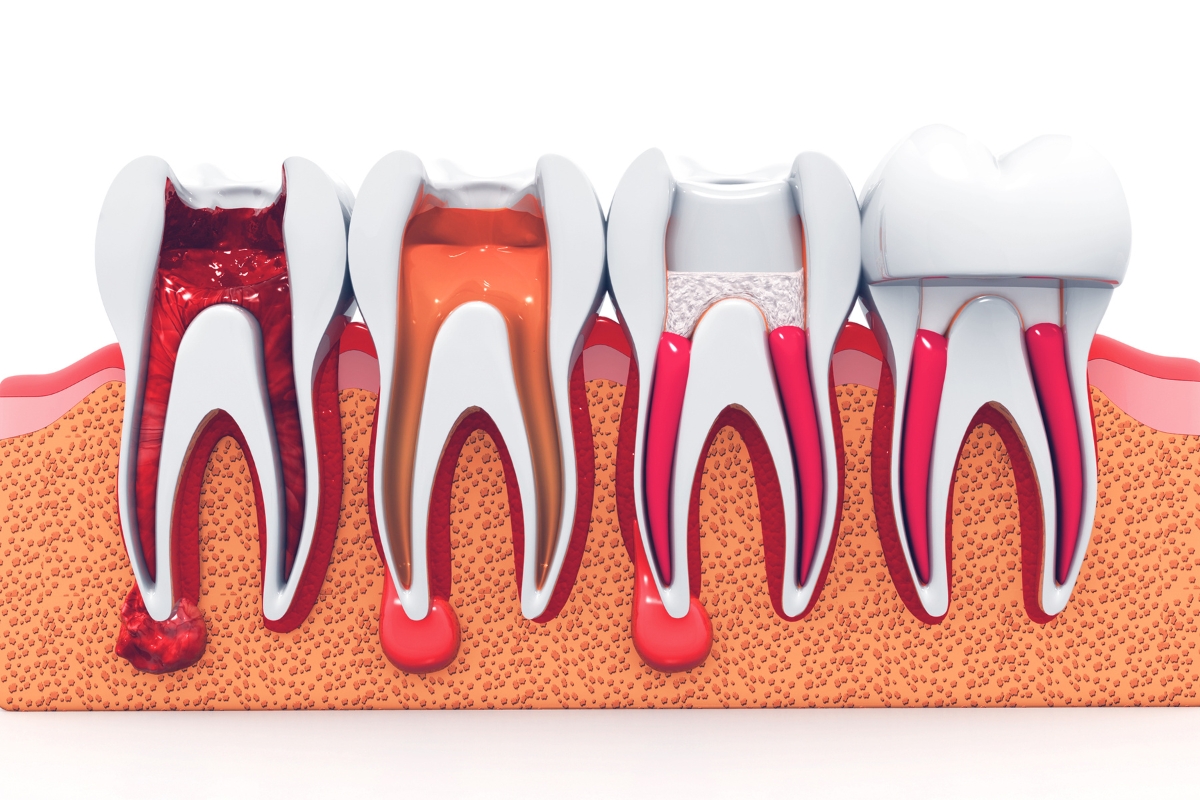
Before delving into the details of this process, it is a good idea to discuss what a root canal is. Dental root canals are associated with the inner portion of a tooth, specifically the structure that contains nerves and blood vessels, known as the pulp. If this pulp becomes infected or inflamed, it may cause severe pain or even an abscess.
A root canal in St. Clair, MO, includes the removal of the affected pulp, the cleaning of the interior of the tooth, followed by the sealing of the tooth to eliminate the possibility of reinfection. Though the procedure might seem very frightening, the methods used are pretty simple.
When to Undergo Root Canal Therapy?
You might be wondering when to visit your St. Clair dentist for a root canal treatment. Some common signs that may suggest it’s time for this treatment include:
- Tooth Pain That Persists: If you are suffering from sharp or aching pain when biting or chewing the tooth, it might mean your tooth is infected.
- Gum Inflammation or Swelling: Gum inflammation or swelling around a specific tooth may indicate an abscess or infection.
- Sensitivity to hot and cold: Sensitivity that persists after contact with hot or cold foods and drinks may indicate a pulp problem in the tooth.
- Discoloration of the Tooth: The discoloration of the tooth can be due to damage or death of the pulp.
If you or someone you know is experiencing any of these symptoms, it is crucial to schedule an appointment with a dentist immediately.
The Root Canal Procedure: Step by Step
Every aspect of the root canal procedure is essential for retaining the strength and functionality of the affected tooth. Even after the procedure is complete, proper aftercare ensures its effectiveness and the smile you enjoy for years to come. Below are the procedures involved in the root canal procedure:
1. Consultation and Diagnosis
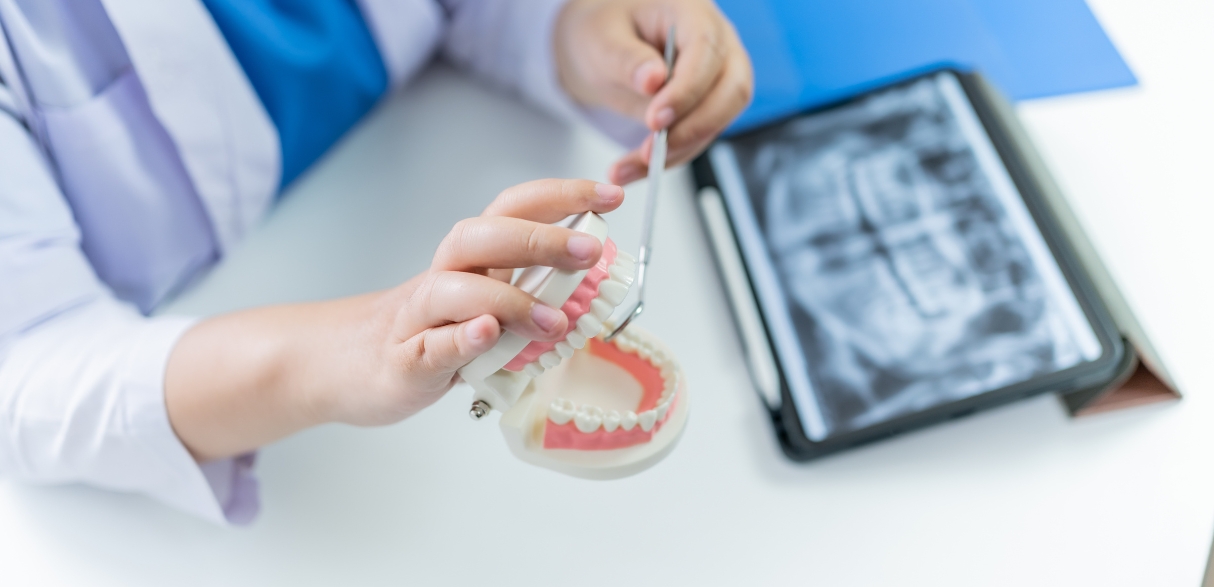
Your root canal procedure begins with a consultation. During your visit, the dentist evaluates the tooth and conducts an X-ray to see the full extent of the problem. Your options are discussed with you, and if a root canal procedure is required, the dentist explains the procedure.
2. Local Anesthesia
On the day of your surgery, the dentist begins by injecting local anesthetics to desensitize the area around the tooth. This is important to ensure you do not feel pain during the surgery on your tooth. However, there might be some pressure as they conduct the surgery.
3. Accessing the Tooth
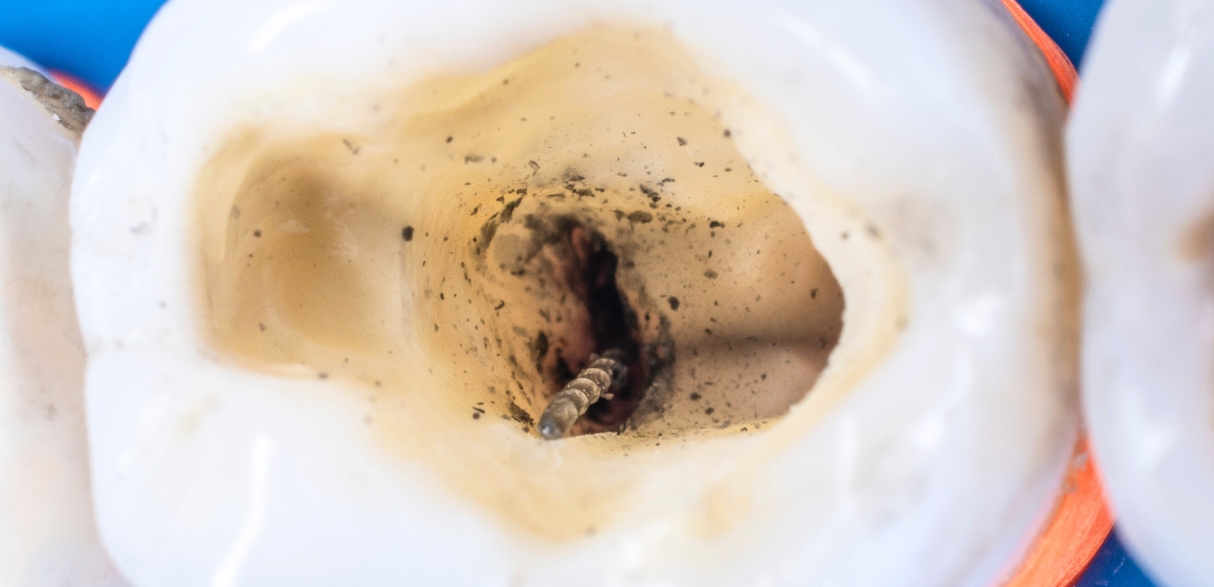
With the area now numb, your dentist will drill a hole in the top of the tooth to access the pulp chamber. This way, they can remove the pulp that is damaged or infected.
4. Cleaning and Shaping Root Canals
After extracting the pulp, the dentist will clean and shape the inner surface of the tooth. This is a critical process to ensure that no germs remain inside the tooth. The dentist ensures the tooth is in good health.
5. Sealing the Tooth
After the root canals are thoroughly cleaned and shaped, the next step is to seal the tooth. Your dentist will fill the void with a substance to help prevent future infections. Sometimes, a temporary filling is inserted to protect the tooth until the next visit.
6. Final Restoration
After the root canal procedure, your dentist will fit a permanent crown or filling to restore the tooth’s strength and functionality. This process involves a follow-up visit to confirm that the tooth is fully healed and that the restoration is a proper fit.
Recovery After A Root Canal
After undergoing root canal procedures, most residents of St. Clair can resume their usual daily activities. Still, in most cases, there is some tenderness in the area where the procedure is done. To alleviate any minor pain, one can consider taking over-the-counter medications. Below are a few tips to consider:
- Do not chew on the treated tooth until your permanent restoration is in place.
- Take pain relievers as instructed by your dentist for relieving pain, if any.
- You must then follow up with your dentist for any further modifications or treatments.
The sense of community in the St. Clair, MO, area is deep-seated, and returning to work after your root canal can feel like just another treatment. When exploring scenic parks or visiting a local coffee shop, it is easy to incorporate dental care into your routine. Do not eat too-hot or too-cold foods until the tooth heals.
Even with a simple procedure, it’s essential to continue your regular oral hygiene practices to ensure proper healing of the tooth. Additionally, you need to follow the dentist’s guidance to ensure a smooth healing process.
Ready for Relief? Schedule Your Consultation Today
If you are suffering from a tooth infection or are considering a root canal procedure, do not hesitate to contact us at St. Clair Family Dentistry. Here, our team aims to ensure you have the most painless, smooth treatment possible.
Root canal treatments are highly effective methods for preserving your teeth and relieving pain caused by infection. Do not hesitate to contact us to book an appointment and begin your journey toward a brighter, more confident smile.
FAQs
1. Is root canal treatment painful?
Modern techniques and local anesthesia ensure that root canal treatments are virtually painless. Most patients report feeling only mild discomfort during the procedure.
2. How long does a root canal take?
A root canal typically takes one to two hours, depending on the complexity of the procedure and the tooth being treated.
3. Can I eat after a root canal?
It’s best to wait until the anesthesia wears off before eating to avoid biting your cheek or tongue. Also, avoid chewing on the treated tooth until it has a permanent restoration.
4. How can I care for my tooth after the treatment?
Follow your dentist’s aftercare instructions, and avoid chewing on the treated tooth until it’s fully restored. Brush and floss gently around the area, and keep up with regular dental visits.
5. How do I know if I need a root canal?
If you have persistent tooth pain, swelling around a tooth, or sensitivity that lasts after eating hot or cold foods, it may be time to visit your St. Clair dentist for a consultation.