

Saving Your Tooth: When St. Clair Family Dentistry Recommends a Dental Crown Over Extraction


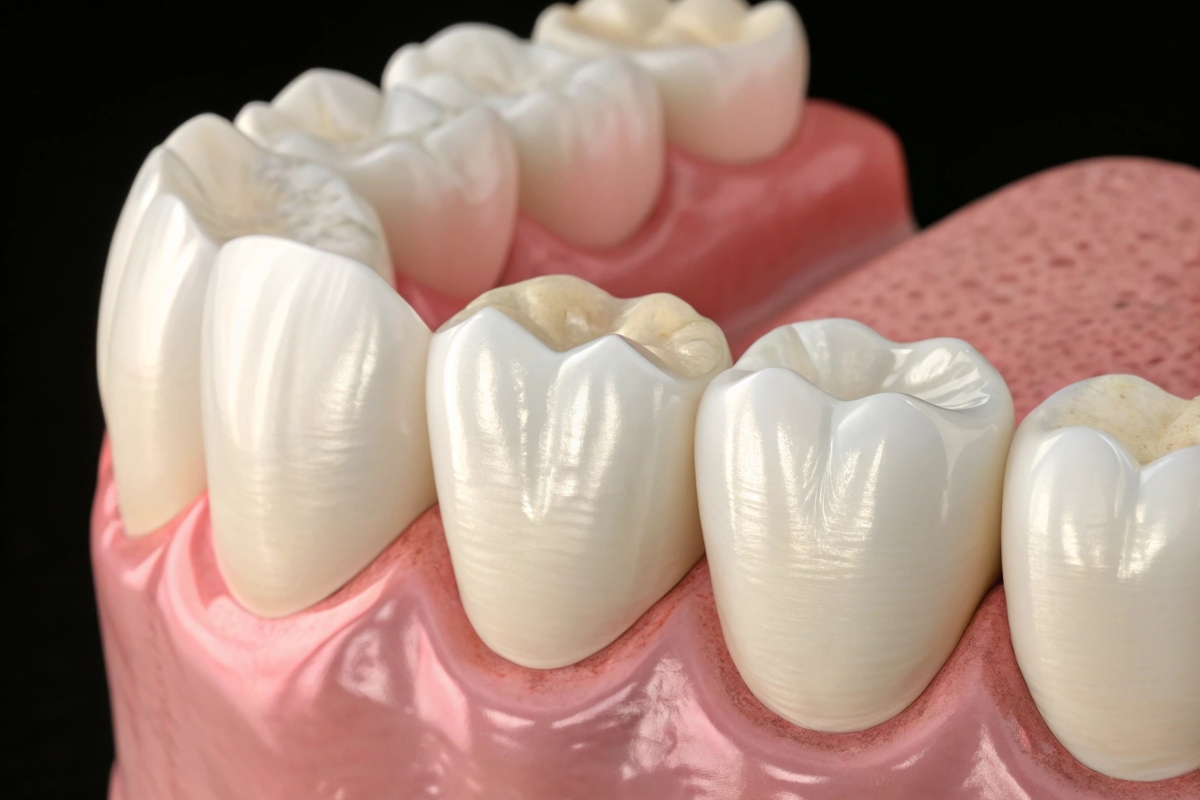
A tooth that is broken or decaying does not necessarily have to be extracted. Many of our patients are put in a situation where saving their tooth or extracting it is an option. The decision is an important one, as it affects the functionality and cosmetic appeal of your smile. Sometimes, a dental crown provides a perfect solution to restore your tooth, while in other cases, extraction could be required.
This blog will discuss when St. Clair Family Dentistry recommends dental crowns over extraction and why it might be the best decision for your long-term oral health.
What is a Dental Crown?
A dental crown is a cap that covers the tooth to restore its size, shape, and strength. It protects the tooth from further decay or damage. Crowns may be applied to restore teeth after root canal treatment or teeth that are badly worn down.
Porcelain, metal, or a combination of these materials is the common material for crowning teeth. Porcelain crowns provide a very natural appearance and are often used for front teeth, while metal crowns offer added durability for back teeth.
Why St. Clair Family Dentistry Might Recommend a Crown
St. Clair Family Dentistry recommends dental crowns in St. Clair when the tooth is still strong enough to be preserved but needs extra protection. Crowns will work perfectly in preserving your natural structure, preventing further decay, and avoiding the extraction of the tooth. They can restore both the function and appearance of the tooth and enable you to chew, speak, and smile naturally.
Crowns are a long-term, cost-effective treatment compared to extraction, possibly requiring a more complex replacement procedure such as an implant or bridge.
When Extraction Becomes the Only Option
Sometimes, a crown is insufficient for the restoration of the tooth. Severe decay or damage can render the tooth too fragile to support a crown. If the infection or structural damage has reached too far, then extraction is the only option.
At times, health risks, such as the risk of the infection spreading to other parts of your mouth, can make extraction the safer option. Extraction can also affect the alignment of your teeth and your overall smile, which can be costly to fix later.
Advantages of Selection of Crown over Extraction
There are several advantages to choosing a dental crown over extraction. First, preserving the natural tooth structure is incredibly important for maintaining the integrity of your bite. Dental crowns in St. Clair are less invasive, with faster recovery, compared to extractions.
In addition, extraction may require secondary procedures, such as implants or bridges, which can be very time-consuming and costly. You can eliminate these possibilities later on by opting for a crown, assuring that your dental health will be maintained with the least disruption possible to your daily life.
Dental crowns are a very effective, long-lasting solution to many dental problems and give you the possibility to save your natural teeth. When choosing between a crown and extraction, consulting with St. Clair Family Dentistry can help you make an informed decision. Our team will assess your unique needs and recommend the best course of action to ensure your smile remains healthy and vibrant.
Contact us today to find out if a dental crown is right for you!
FAQs
Can a dental crown be removed?
While crowns can be removed, it’s a complex process and should be done by a dentist to avoid damaging the tooth.
Can I whiten my teeth after getting a dental crown?
You can whiten your natural teeth, but the crown itself won’t change color. It’s best to whiten teeth before placing the crown.
Can a dental crown be placed over a filling?
Yes, a crown can be placed over a large filling to strengthen the tooth and prevent further damage.
Can a dental crown help with tooth sensitivity?
Yes, crowns can help reduce sensitivity by sealing the tooth and preventing exposure to hot or cold stimuli.
Can a dental crown be repaired if it breaks?
In some cases, a crown can be repaired, but if it’s severely damaged, it will need to be replaced.