
Why Root Canal Treatment Is Less Painful Than You Think


When you have a toothache or tooth sensitivity, the prospect of a root canal treatment can feel daunting. While many of us associate root canal procedures with intense pain and suffering, the reality is that dentistry has advanced so far that a root canal treatment can be far more comfortable than you expect. In fact, root canal treatments are among the most reliable ways to save a natural tooth from extraction. In this blog, we are going to tell you why root canal treatments are not quite as painful as their reputation suggests and why they are a viable option to protect your dental health.
What Is A Root Canal Treatment?
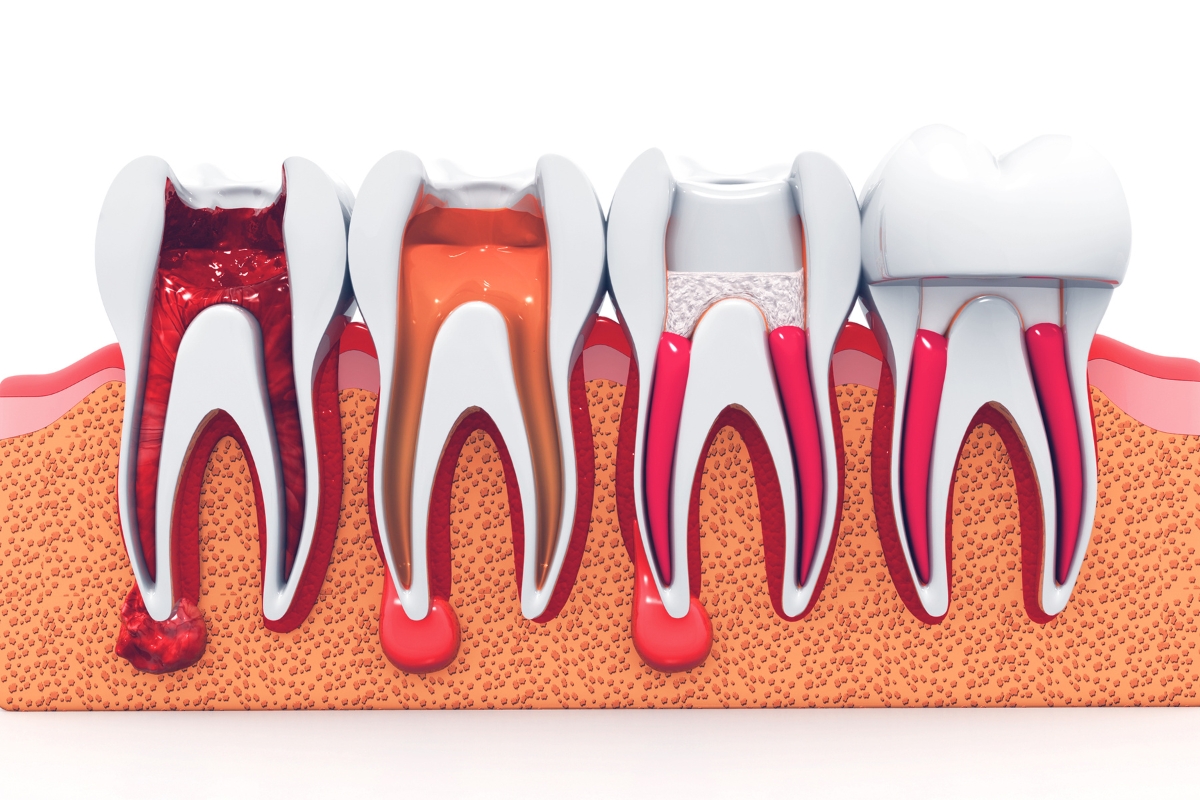
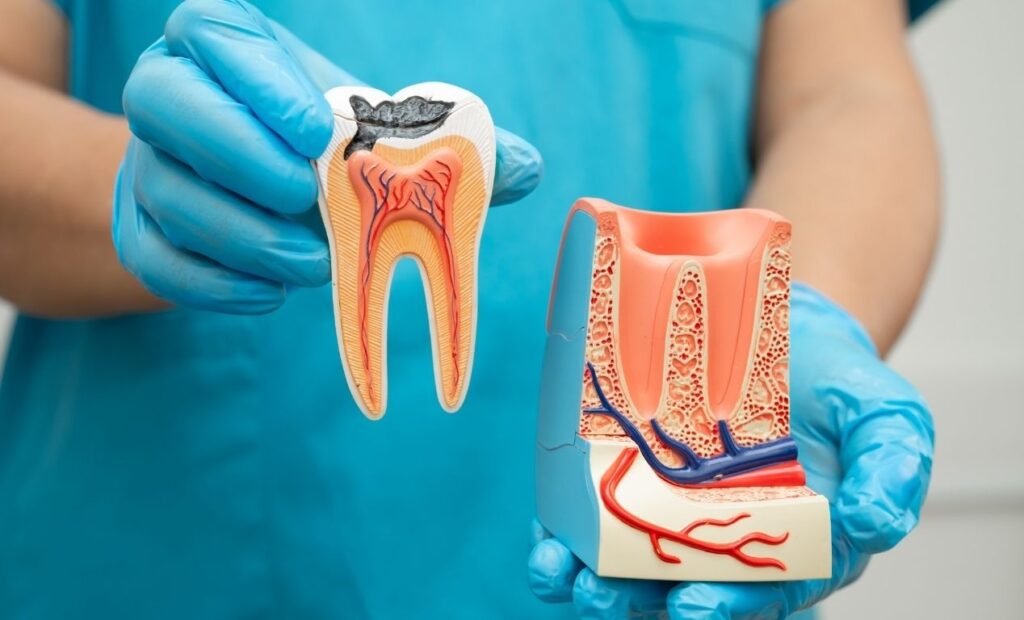
A root canal is a type of endodontic treatment whereby infected or damaged tissue is removed from within the tooth. When the pulp or nerve of a tooth becomes inflamed due to deep decay, trauma, or cracks, pain and swelling can occur. If left untreated, the infection will continue to develop, causing damage to the tooth and surrounding tissues.
To carry out the treatment, the inside of the tooth is cleaned out, disinfected, and then filled and sealed. Unlike what many people assume, a root canal treatment in St. Clair, MO, is performed under local anesthetic, and as such, you should not feel any pain at all. Any discomfort after treatment is simply swelling from the infection itself. Once the treatment is performed and the infection is cleared, this pain is likely to subside.
Why A Root Canal Treatment Isn’t As Painful As You Think
Many patients are indeed concerned about pain at the thought of a root canal treatment, but dentistry has made huge advancements, so here are a few reasons why it is now far more painless than in the past:
1. Local Anesthesia
The biggest worry most patients have is the possibility of feeling pain. This can be addressed with an effective local anesthetic that numbs the specific area you need treated. During the procedure, you should feel no pain, only a certain amount of pressure, but this will not be uncomfortable at all.
2. Technology Advances
Advances in technology mean modern dental instruments are far less invasive than those used previously for root canal treatment. Instruments such as improved X-ray machines allow dentists to gain a much clearer view of the tooth, while modern, advanced drilling instruments enable dentists to work far more accurately in smaller areas of the tooth; in turn, this reduces recovery time after the procedure.
3. Shorter Treatment Times
What many people do not realize is that root canal treatments can usually be completed in only one or two visits to the dentist. This is all due to the modern instruments and equipment we use, which allow the dental practitioner to work quickly and efficiently, reducing the time spent in a dental chair.
4. Post-Treatment Care
When treatment is finished, most people can return to normal activities as soon as the anesthesia wears off. Over-the-counter painkillers can usually be used to address any slight swelling you may experience, and the pain is usually minimal, with the discomfort felt before treatment often the most intense.
Common Misconceptions of Root Canals
Despite how advanced dentistry is, there is still a lot of outdated information around regarding root canals:
Myth #1: Root canals are always painful.
You will indeed experience some discomfort following the procedure; however, most patients say it is nothing compared to the toothache they felt before.
Myth #2: Healing from root canals takes a very long time.
It normally takes only a few days to recover from a root canal, and most patients can return to normal activity the next day with only mild soreness.
Myth #3: A root canal treatment can cause the tooth to weaken and break easily.
This is completely untrue; after treatment, the tooth can be filled and crowned to become strong and resilient again.
What to Expect During a Root Canal Treatment
Are you planning a root canal treatment in St. Clair, MO? Here is what to expect from the procedure:
During the initial appointment
The dentist will thoroughly examine your tooth and take x-rays to assess the severity of the infection. The dentist will discuss the procedure with you in detail and answer all your questions to help you feel confident about your decision.
The root canal treatment procedure
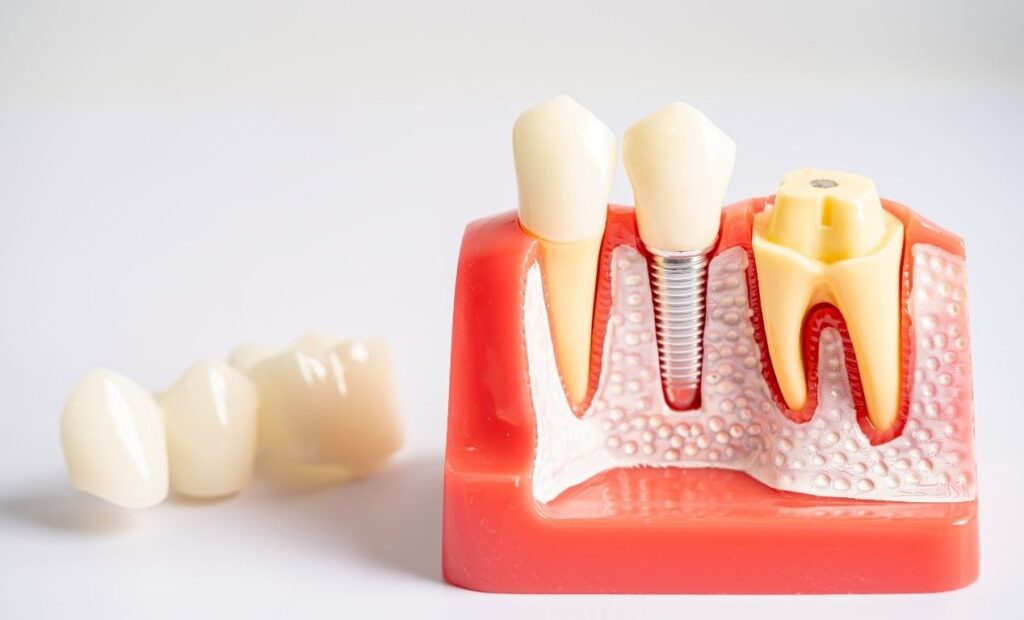
On the day of the procedure, the dentist will administer a local anesthetic injection to numb the tooth and surrounding areas. The dentist will drill a tiny opening in the tooth to access the pulp and carefully remove the infected tissue. They will then clean and seal the inside of the tooth. A crown will be placed over the tooth to restore its shape and integrity.
After the root canal treatment
Post-treatment pain should not be severe, but there may be some discomfort that resolves within a few days. You will receive specific instructions on how to take care of the treated tooth. Do not hesitate to contact your dentist if you have any concerns about the root canal treatment.
Why You Should Not Ignore A Root Canal Treatment
If a tooth infected with bacteria or pulp is left untreated, the condition can become so bad that your dentist will have to extract the tooth. Infection can spread, causing an abscess, pain, and bone loss in the jaw. Getting a root canal treatment will not only save your tooth but will also prevent the problem from developing into something much worse. If you are in pain due to a tooth infection, do not hesitate to call for an emergency appointment. The earlier you seek treatment, the easier it will be to remedy.
Conclusion: Ready to Find Relief from Tooth Pain?
If your mouth is achingly painful from an infected tooth and a root canal treatment in St. Clair, MO is your best option for relief, St. Clair Family Dentistry is here to provide the root canal treatment you need with a modern, efficient procedure. Do not let your fears hinder you from receiving the dental care you need!
Make your appointment today to learn how to relieve your pain and save your tooth!
Common Questions People Ask About Root Canal Treatment
What are the symptoms that indicate I might need a root canal?
Symptoms include severe tooth pain, sensitivity to hot or cold, and swelling around the tooth.
How long does a root canal take to complete?
Root canals typically take about one to two hours, depending on the complexity.
Is root canal treatment safe?
Yes, root canal treatments are safe and highly effective in preserving your tooth.
Will I need a crown after a root canal?
Yes, most root canal-treated teeth require a crown to restore the tooth’s strength and appearance.