

What is the Difference between Composite Veneers and Porcelain Veneers?



Your smile often shapes first impressions, whether you are meeting someone at a local event or speaking in a professional setting. Many patients exploring cosmetic options want clarity before making a decision. Composite veneers use resin and are applied directly in one visit, making them a quick solution. Porcelain veneers are lab-made, more durable, and resistant to staining over time.
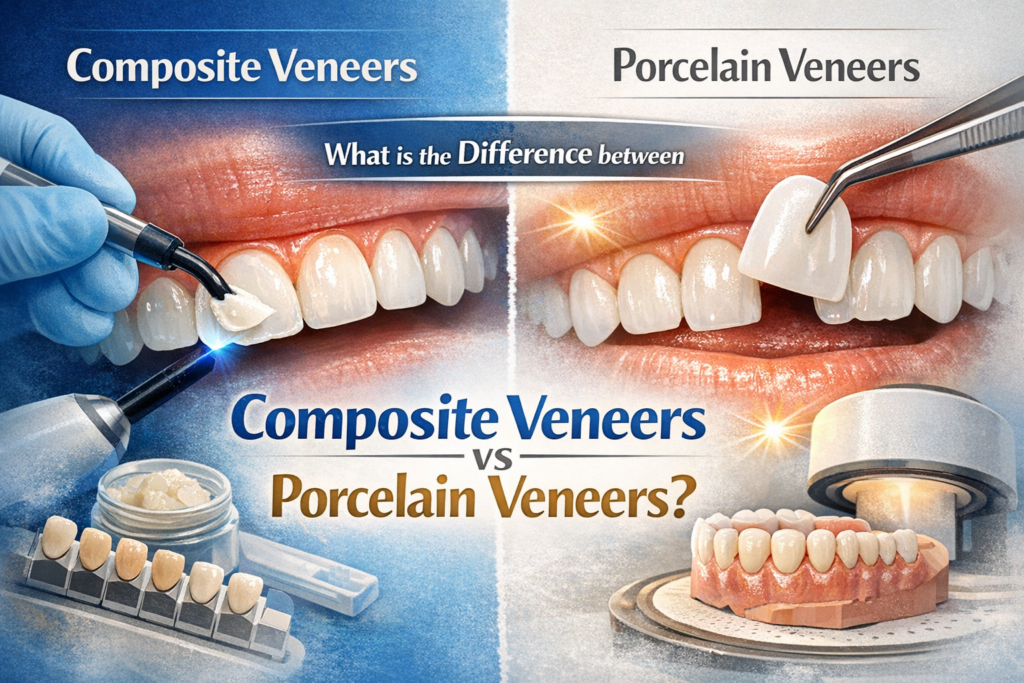
At practices like St. Clair Family Dentistry, patients often ask which option works best for their lifestyle. The answer depends on your goals, your timeline, and how long you want results to last.
If you want a fast improvement, one option may stand out. If you prefer long-term stability and aesthetics, the other may suit you better. Understanding the difference helps you make a confident, informed decision.
Understanding Dental Veneers
Veneers are thin coverings placed on the front surface of teeth to improve appearance. They help correct concerns like discoloration, uneven shape, and small gaps. Many patients choose them to achieve a balanced, natural-looking smile without extensive procedures.
People often consider this treatment when whitening no longer works or when minor damage affects confidence. It is common to see patients preparing for milestones such as job interviews, weddings, or community events. In areas with active social and professional environments, a confident smile can support everyday interactions.
Before starting, patients usually have a few concerns. They want to know how long results will last, whether the process is comfortable, and how natural the final result will look. Some also ask about maintenance and whether the treatment will affect their daily routine.
This is where guidance from a dental team becomes important. A proper evaluation helps determine which material fits your goals. Whether you are considering a subtle change or a full smile update, the process of dental veneers in St Clair should feel clear and predictable from the start.
What Are Composite Veneers?
Composite veneers are made from tooth-colored resin, the same material used for fillings. The material is applied directly to the tooth and shaped during the visit. This allows the dentist to sculpt the surface and adjust the appearance in real time.
The procedure usually takes one appointment. After preparing the tooth, the resin is layered and hardened using a special light. The surface is then polished to blend with the surrounding teeth. Because the process happens in a single visit, it works well for patients with tight schedules.
These veneers are often chosen for minor corrections. They can improve small chips, close slight gaps, and adjust uneven edges. Patients who want a quick enhancement without multiple visits often prefer this option.
While the results can look natural, the material is softer than porcelain. This means it may require touch-ups over time. Still, for those seeking a fast and effective solution, composite veneers provide a practical approach.
What Are Porcelain Veneers?
Porcelain veneers are crafted from high-quality ceramic materials. Unlike composite options, they are created in a dental lab based on precise impressions of your teeth. This allows for a highly customized result that matches your smile.
The process typically involves two to three visits. During the first visit, the teeth are prepared, and impressions are taken. Temporary coverings may be placed while the final veneers are fabricated. Once ready, the veneers are bonded securely to the teeth.
These veneers are ideal for patients seeking long-term improvement. They are often used to address more noticeable concerns, including severe discoloration or uneven tooth shape. The material reflects light similarly to natural enamel, which enhances the overall appearance.
Because of their strength and resistance to staining, porcelain veneers are considered a long-lasting option. Patients who want durability and a refined finish often choose this route for a complete smile transformation.

Key Differences Between Composite and Porcelain Veneers
The main differences between these two options come down to material, process, and long-term performance. Composite veneers use resin and are completed in a single visit, while porcelain veneers involve lab fabrication and require multiple appointments.
When it comes to durability, porcelain veneers hold a clear advantage. They are designed to withstand daily wear and maintain their appearance for many years. Composite veneers, while effective, tend to wear down faster and may need maintenance sooner.
Stain resistance is another important factor. Porcelain surfaces resist discoloration from common foods and drinks such as coffee or tea. Composite materials are more porous, which means they can stain over time if not properly maintained.
Longevity also differs significantly. Composite veneers typically last several years, while porcelain veneers can last over a decade with proper care. However, composite veneers are easier to repair if minor damage occurs. Porcelain veneers, on the other hand, usually require replacement if they are damaged.
Choosing between the two depends on what matters most to you. Some patients prioritize convenience and flexibility, while others focus on durability and long-term aesthetics.
Pros and Limitations of Composite Veneers
Composite veneers offer several advantages, especially for patients looking for a quick solution. The procedure is completed in one visit, which makes it convenient for those with busy schedules. The process also involves minimal enamel removal, helping preserve the natural tooth structure.
Another benefit is repairability. If a composite veneer chips or wears down, it can often be adjusted or repaired without replacing the entire surface. This makes it a flexible option for minor changes over time.
However, there are limitations to consider. Composite material is more prone to staining, especially with frequent exposure to dark beverages. Over time, the surface may lose its polish and require maintenance.
The lifespan is also shorter compared to porcelain. While the results can look natural, they may need replacement sooner. For patients seeking a temporary or budget-conscious option, composite veneers remain a practical choice.
Pros and Limitations of Porcelain Veneers
Porcelain veneers are known for their refined appearance. The material closely mimics natural enamel, allowing light to reflect in a way that looks realistic. This makes them a popular choice for patients focused on aesthetics.
They are also highly durable. With proper care, they can last many years without significant wear. Their resistance to staining helps maintain a bright and consistent appearance over time.
Despite these benefits, the process requires more time. Multiple visits are needed, and the lab fabrication step adds to the overall timeline. For some patients, this extended process may not fit their schedule.
Another consideration is that the procedure is not easily reversible. A small amount of enamel is typically removed, which means the treatment is permanent. Patients should be confident in their decision before proceeding with porcelain veneers.
Which Veneer Option Fits Your Lifestyle?
Your daily routine plays a key role in choosing the right option. If you have a busy schedule and want quick results, composite veneers may be the better fit. They allow you to improve your smile in a single visit without disrupting your routine.
For those thinking long-term, porcelain veneers offer lasting results. They are ideal for patients who want durability and a consistent appearance over many years. This option often suits individuals planning a complete smile upgrade.
Cosmetic goals also matter. Minor adjustments, such as small chips or gaps, may not require a long process. In contrast, a full transformation may benefit from the precision of porcelain veneers.
A consultation helps align your goals with the right approach. At St. Clair Family Dentistry, the focus remains on finding a solution that fits your lifestyle and expectations.
How Long Do Veneers Last?
The lifespan of dental veneers in St Clair depends on the material and how well they are maintained. Composite veneers typically last between four to seven years. Porcelain veneers often last ten years or more with proper care.
Daily habits play a major role in durability. Consistent oral hygiene helps protect both types of veneers. Brushing and flossing reduce buildup that can affect their appearance.
Diet also influences longevity. Frequent consumption of staining foods and drinks can impact composite veneers more quickly. Porcelain options handle these factors better but still require care.
Teeth grinding is another concern. It places pressure on veneers and can shorten their lifespan. In such cases, protective solutions like night guards may be recommended.
Maintenance Tips for Long-Lasting Veneers
Maintaining veneers starts with simple daily habits. Brushing twice a day and flossing regularly help keep the surface clean and smooth. Using a non-abrasive toothpaste protects the finish.
Limiting certain foods and drinks also helps. Beverages like coffee, tea, and red wine can affect the appearance of composite veneers over time. Moderation and rinsing after consumption can reduce staining.
Regular dental visits are essential. Routine checkups allow early detection of wear or damage. Professional cleanings also help maintain a polished look.
Patients in active communities often balance busy schedules with social events. Keeping up with maintenance ensures your smile stays consistent and confident in every setting.
When Should You Consider Veneers?
Veneers may be worth considering if discoloration does not respond to whitening treatments. They provide a way to achieve a more even tone across your smile.
They are also helpful for repairing chipped or worn teeth. Small imperfections can be corrected without extensive procedures. This makes them a suitable option for subtle improvements.
Uneven spacing is another common reason. Veneers can close minor gaps and create a more balanced appearance. Patients looking for a refined smile often explore this solution.
If you are considering dental veneers, a consultation helps determine if they align with your goals. A personalized approach ensures the results feel natural and functional.
Choosing between composite and porcelain veneers comes down to your priorities. Some patients value speed and flexibility, while others focus on long-term results and durability.
Both options offer meaningful improvements when selected correctly. Understanding the differences helps you avoid uncertainty and move forward with confidence.
At St. Clair Family Dentistry, the goal is to guide you through each step with clarity. A thoughtful decision today can support your smile for years to come. If you are ready to explore your options, scheduling a visit is the next step.
People Also Ask
Do composite veneers look natural?
Yes, composite veneers can look natural when shaped and polished properly. They blend with surrounding teeth, though they may not match the translucency of porcelain as closely.
Are porcelain veneers stronger than composite ones?
Porcelain veneers are more durable and resistant to wear. They hold their shape longer and are less likely to chip under normal use.
Can veneers stain over time?
Composite veneers can stain with exposure to coffee, tea, or wine. Porcelain veneers resist stains better and maintain their color for longer.
Do veneers require special care?
No special routine is needed beyond good oral hygiene. Regular brushing, flossing, and dental visits help maintain their appearance.
Will veneers affect how I speak or eat?
There may be a short adjustment period. Most patients quickly adapt, and veneers feel natural during daily activities.